



Poland Sets Its Sights on the 2040 Olympics: A Transformational National Project Takes Shape
Poland has taken its first decisive step toward one of the most ambitious goals in its modern sporti
moreAxglo Strengthens European Network with Official Distributors in the UK, Czech Republic, Germany, and Slovak Republic
Axglo, the Canadian golf equipment specialist renowned for its premium push carts and golf accessori
moreVAT Becomes Official Supplier to Swiss-Ski and Backs Biathlon Star Amy Baserga
VAT, a global leader in high-end vacuum solutions, has signed a three-season partnership with Swiss-
moreThe Mountain Studio Reports 44% Sales Growth as Marcel Hirscher Targets Year-Round Outdoor Brand Expansion
The Mountain Studio, the premium outdoor apparel company co-founded by ski racing legend Marcel Hirs
moreSGS Expands Global Cycling Testing Expertise with Acquisition of EFBE
SGS, the world’s leading testing, inspection, and certification company, has announced the acquisi
more
"Business
Partner search for the Sports industry in Central Europe"
You are here » Home Page
» CE Sports Business News
» Exercising on own terms is now more popular in Poland
 2020-11-12
source own
2020-11-12
source own
Exercising on own terms is now more popular in Poland
2020-11-12
source own
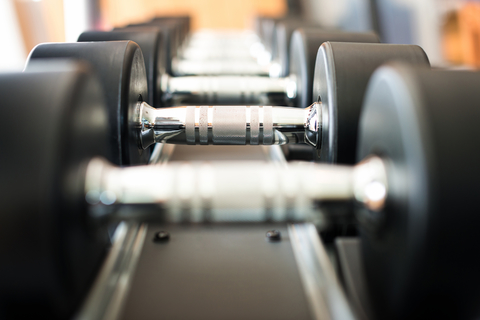
The 2020 Pandemic has hit the health and fitness sector hard in Poland, but its created opportunities in other areas.
As a result of the lock-down that was imposed by the Polish government on the 14th of March, recreational health and fitness facilities were required to close to help prevent the spread of COVID-19. They were also some of the last businesses to re-open, with outdoor facilities re-opening on the 30th of May and indoor facilities on the 6th of June.
Upon re-opening, all were required by law to follow stringent protocols for the safety of both the patrons and the staff which constricted their operations and revenue streams: measures included were social distancing, the wearing of obstructive face-masks, facilities being forced to only allow half the amount of their maximum user capacity at any time, and swim-lanes being restricted to just four people per lane.
Growing Trends and Financial Factors
Research conducted by PMR in October, 2020 discovered that 25% of polled responders have reduced their visits to recreational health and fitness facilities, such as gyms, sports/exercise clubs, and swimming pools. Additionally, 14% responded that they’d completely ceased attending these facilities.
The study also discovered that people’s decisions were at least partially influenced by personal financial reasons, with free or cheaper alternatives for exercise becoming more popular: 7% hadn’t renewed their MultiSport memberships, while 3% had been forced to pay the full amount. However, 54% engaged in free cardiovascular exercise on their own terms, such as walking, sprinting and running, cycling, and jogging.
An interesting trend noticed in respondents’ answers was the growing popularity of specific types of exercise: in 2020 and of all polled, 67% have cycled, 58% have jogged, and 57% have engaged in the more strenuous activity of Nordic Walking.
New Complications and Increased Restrictions
Unfortunately, the threat of COVID-19 remains high – the Polish government was forced to implement new restrictions and guidelines that further harmed the sector. On the 8th of August, a colour-coded zoning system was introduced countrywide, which assigned certain areas, depending on the severity of infection in said areas, as either being “red” or “yellow” zones: each were forced to contend with new, higher levels of restrictions in recreational health and fitness facilities.
A facility in a “yellow zone” precautionary area had a limit of one patron or staff member per 7 square metres, while “red zone” areas worst hit by the virus was further restricted to just one person per 10 square metres.
However, these measures appear to not have been as successful as was hoped, and as of the 17th October, the government officially closed all recreational health facilities and aquaparks nationwide, with the exception of educational classes and the various training regimes being undertaken by competitive athletes.
Partner Search Marketplace
Expert Partner Search